Dolomiti Daily
Binari Morti: Il Paradosso della Ferrovia del Cadore
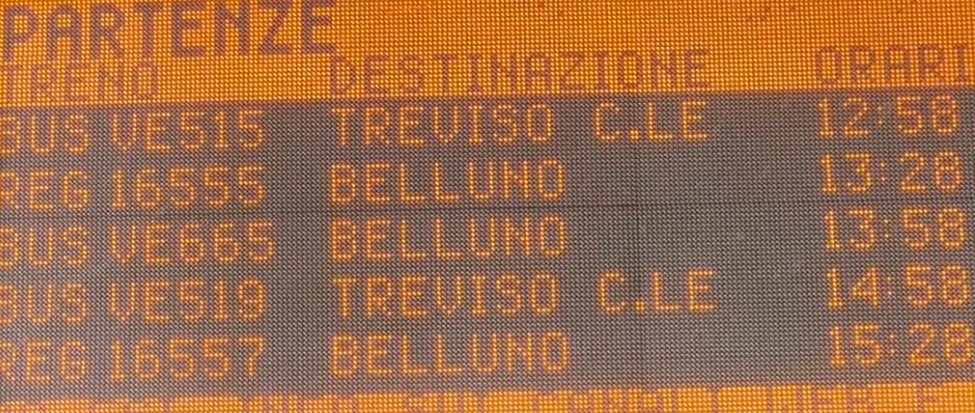
La ferrovia del Cadore si trova oggi in un limbo che sembra non avere fine. Nonostante i proclami di modernizzazione legati alla rincorsa olimpica, la tratta Calalzo-Ponte nelle Alpi vive l’ennesimo stop forzato. I binari, che dovrebbero essere l’arteria vitale per il turismo e il pendolarismo della Valbelluna, restano spesso muti, mentre il piazzale della stazione di Calalzo si popola sistematicamente di autobus sostitutivi, testimoni di un’infrastruttura ancora zoppa.
L’ultima interruzione comunicata da RFI, giustificata dalla necessità di interventi urgenti per il potenziamento tecnologico e la gestione dei flussi, solleva interrogativi sulla pianificazione a lungo termine. Per anni si è parlato di elettrificazione e di un “treno delle Dolomiti” capace di competere con la gomma, ma la realtà dei viaggiatori è fatta di trasbordi infiniti e coincidenze perse. Il fuori stagione, in particolare, è diventato il periodo dell’abbandono del ferro, con una frequenza di chiusure che sfibra anche il passeggero più resiliente.
Secondo un’analisi approfondita condotta da TreniBelluno.it, queste interruzioni sono il sintomo di una rete che sta subendo un “trapianto di cuore” tecnologico tardivo. Le chiusure sono necessarie per adeguare i sistemi di sicurezza e segnalamento agli standard europei, ma il costo sociale pagato dal territorio è altissimo. Senza una comunicazione trasparente e tempi certi, il rischio concreto è lo spopolamento ferroviario: chi può permetterselo torna all’auto privata, vanificando ogni sforzo di sostenibilità ambientale.
L’insoddisfazione dei sindaci locali e dei comitati dei pendolari è ormai palpabile. Viene contestata la gestione del servizio sostitutivo, spesso non adeguato al volume di utenza e penalizzato dal traffico stradale della SS51, lo stesso che la ferrovia dovrebbe contribuire a decongestionare. Si assiste così a un paradosso: si investono milioni in tecnologia ferroviaria mentre, per mesi all’anno, l’unico modo per raggiungere le cime del Cadore è affidarsi nuovamente alla strada.
In prospettiva, il rilancio della linea Calalzo-Ponte nelle Alpi non può limitarsi alla sola manutenzione straordinaria. Serve un patto di ferro tra Trenitalia, RFI e Regione Veneto per garantire un’offerta commerciale che non sia ostaggio dei cantieri. Belluno e il Cadore non possono permettersi di avere una ferrovia “a intermittenza”, pena l’esclusione definitiva dai grandi circuiti del turismo sostenibile europeo che, già oggi, scelgono le destinazioni in base alla qualità dei collegamenti su rotaia.
Stumme Gleise: Das Paradoxon der Cadore-Eisenbahn
Die Eisenbahn im Cadore-Tal befindet sich heute in einem Schwebezustand, der kein Ende zu haben scheint. Trotz der Modernisierungsankündigungen im Zusammenhang mit dem olympischen Aufschwung erlebt die Strecke Calalzo-Ponte nelle Alpi einen weiteren erzwungenen Stillstand. Die Gleise, die eigentlich die Lebensader für den Tourismus und das Pendeln im Valbelluna sein sollten, bleiben oft stumm, während der Bahnhofsvorplatz von Calalzo systematisch von Ersatzbussen bevölkert wird.
Die jüngste von RFI mitgeteilte Unterbrechung, begründet mit dringenden technologischen Upgrades, wirft Fragen zur langfristigen Planung auf. Jahrelang war von der Elektrifizierung und einem „Dolomitenzug“ die Rede, doch die Realität der Reisenden besteht aus endlosen Umstiegen und verpassten Anschlüssen. Besonders die Nebensaison ist zur Zeit der Eisenbahnaufgabe geworden, mit einer Sperrhäufigkeit, die selbst den geduldigsten Fahrgast zermürbt.
Laut TreniBelluno.it sind diese Unterbrechungen Symptome einer verspäteten technologischen Erneuerung. Die Sperrungen sind notwendig, um Sicherheits- und Signalsysteme an europäische Standards anzupassen, aber die sozialen Kosten für die Region sind extrem hoch. Ohne transparente Kommunikation besteht die Gefahr, dass Pendler endgültig auf das Privatauto umsteigen und damit alle Nachhaltigkeitsbemühungen zunichtemachen.
Die Unzufriedenheit der lokalen Bürgermeister ist nun greifbar. Kritisiert wird der Ersatzverkehr, der oft nicht dem Fahrgastaufkommen entspricht und im Straßenverkehr der SS51 stecken bleibt – genau dem Verkehr, den die Bahn eigentlich entlasten sollte. Man investiert Millionen in Bahntechnologie, während man monatelang nur über die Straße ins Cadore gelangt.
Langfristig darf sich die Wiederbelebung der Linie Calalzo-Ponte nelle Alpi nicht auf die Instandhaltung beschränken. Es bedarf eines Pakts zwischen Trenitalia, RFI und der Region Venetien, um ein Angebot zu garantieren, das nicht als Geisel der Baustellen dient. Das Cadore kann sich keine „Intervall-Eisenbahn“ leisten, ohne den Anschluss an den nachhaltigen europäischen Tourismus zu verlieren.
Dead Tracks: The Paradox of the Cadore Railway
The Cadore railway today finds itself in a limbo that seems to have no end. Despite the proclamations of modernization linked to the Olympic rush, the Calalzo-Ponte nelle Alpi line is experiencing yet another forced shutdown. The tracks, which should be the vital artery for tourism and commuting in the Valbelluna, often remain silent, while the station square in Calalzo is systematically crowded with replacement buses.
The latest suspension communicated by RFI, justified by the need for urgent technological upgrades, raises questions about long-term planning. For years, there has been talk of electrification and a “Dolomites train,” but the reality for travelers consists of endless transfers and missed connections. The off-season, in particular, has become a period of rail abandonment, with a frequency of closures that wears down even the most resilient passenger.
According to in-depth analysis by TreniBelluno.it, these interruptions are the symptom of a network undergoing a belated technological “heart transplant.” The closures are necessary to adapt safety and signaling systems to European standards, but the social cost paid by the territory is extremely high. Without transparent communication, the real risk is a rail exodus back to private cars, nullifying any environmental sustainability effort.
The dissatisfaction of local mayors and commuter committees is now palpable. The management of the replacement service is contested, as it is often inadequate for the volume of users and penalized by the traffic on the SS51—the very traffic the railway should help to decongest. We are witnessing a paradox: millions are invested in rail technology while, for months a year, the only way to reach the peaks of Cadore is to rely on the road once again.
In perspective, the revival of the Calalzo-Ponte nelle Alpi line cannot be limited to extraordinary maintenance alone. A solid pact is needed between Trenitalia, RFI, and the Veneto Region to guarantee a commercial offer that is not held hostage by construction sites. Cadore cannot afford to have an “intermittent railway,” at the risk of permanent exclusion from the great circuits of sustainable European tourism.